

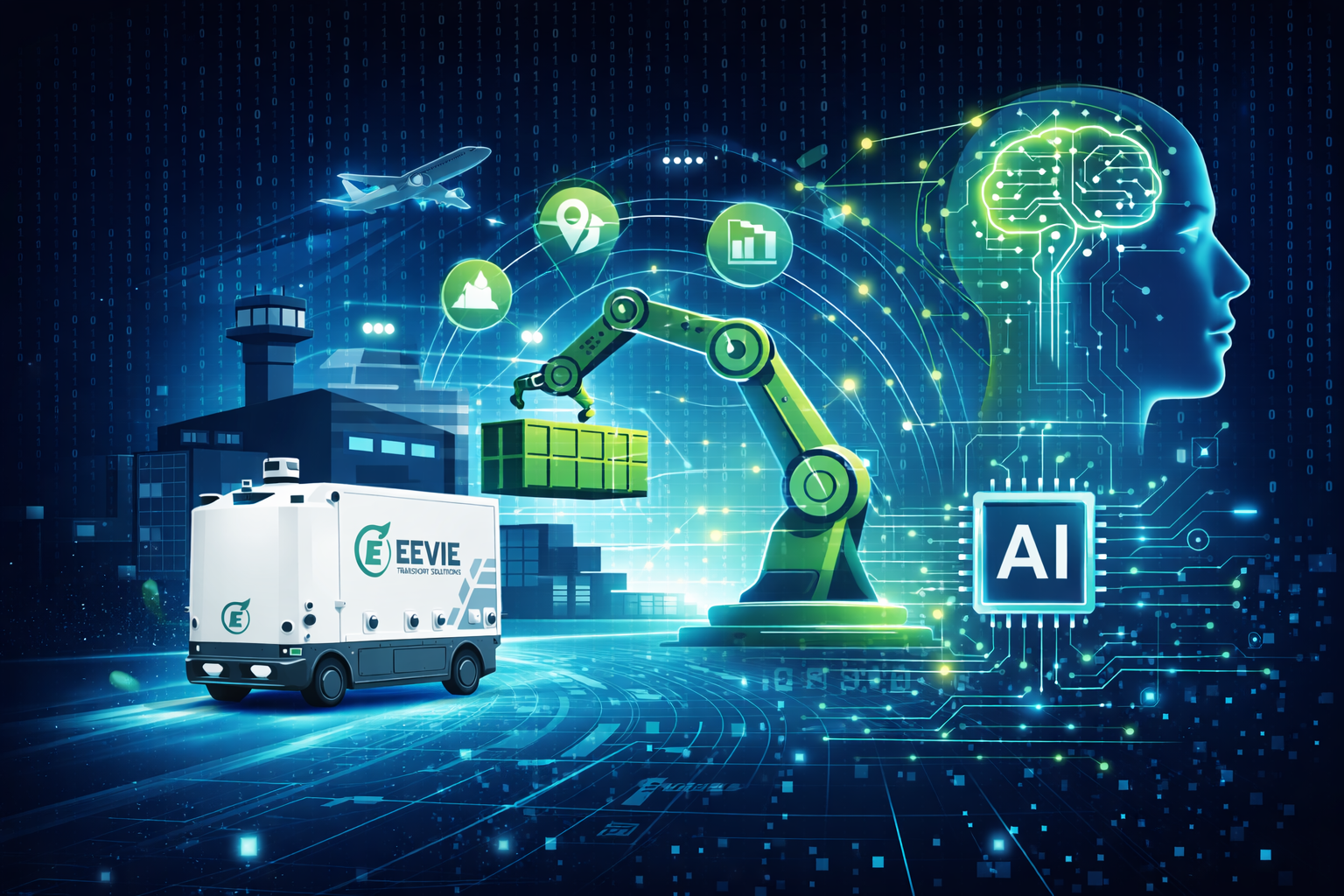
As global trade continues to expand, logistics hubs—airports, ports, industrial zones, and free trade zones—are facing growing pressure to move goods faster, safer, and more sustainably. Around the world, operators are turning to emerging technologies to modernize ground operations, reduce bottlenecks, and raise productivity. Among these advancements, autonomous vehicles and AI-powered logistics platforms are emerging as some of the most transformative tools available today.
This shift isn’t just about adopting new machines. It’s about rethinking how cargo moves through complex environments and building smarter, interconnected ecosystems that adapt in real time.
The Rise of Autonomous Cargo Transport
Autonomous ground vehicles designed for logistics environments are quickly becoming a practical solution for high-density cargo operations. These vehicles are built to:
- Navigate predefined routes inside airports, terminals, and industrial zones
- Maintain consistent and safe movement of goods
- Reduce operational disruption caused by labor shortages
- Support 24/7 operations with predictable performance
Instead of simply replacing existing equipment, these systems bring precision and consistency to environments where timing and reliability are critical.
Many logistics operators are exploring how automation can integrate with their existing workflows—ensuring vehicles, people, and infrastructure work together harmoniously. A phased adoption model is often used, starting with supervised operations and gradually increasing autonomy as confidence and familiarity grow.
AI as the Digital Backbone of Modern Logistics
While autonomous vehicles handle physical movement, AI-driven platforms manage the intelligence behind the operations.
AI in logistics is enabling new capabilities such as:
- Predictive route planning: Optimizing how and when cargo moves to reduce congestion
- Automated task assignment: Ensuring the right jobs are allocated to the right vehicles or personnel
- Live visibility and alerts: Allowing operators to respond to changing conditions instantly
- Integrated system connectivity: Bridging ERP, warehouse management systems, terminal operations, and ground assets
These platforms act as centralized command centers, bringing clarity to environments where thousands of movements occur each hour. Instead of relying solely on manual coordination, operators can tap into real-time data to make faster, smarter decisions.
Turning Data Into Actionable Insights
Every cargo movement—whether by vehicle, equipment, or human—generates valuable operational data. When analyzed effectively, this data can reveal opportunities for improvement.
For logistics operators, data intelligence can support:
- Predictive maintenance: Forecasting equipment needs before breakdowns occur
- Resource planning: Matching staffing and assets to expected demand levels
- Safety analytics: Identifying patterns that may lead to operational risks
- Workflow optimization: Detecting bottlenecks and fine-tuning overall performance
These insights, powered by machine learning, help operations shift from reactive to proactive decision-making. The result is a more resilient, efficient cargo ecosystem.
A Future Built on Connected and Autonomous Logistics
The convergence of automation, AI, and data-driven visibility is reshaping how airports, ports, and logistics hubs operate. Instead of isolated systems, the future points toward fully connected cargo environments—where vehicles, platforms, and people operate in sync to deliver optimal outcomes.
This transformation does not happen overnight. It requires strategic planning, integration support, and continuous improvement. But operators who embrace this shift stand to benefit from:
- Higher throughput
- Reduced operational cost
- Improved safety
- Greater sustainability
- More predictable performance
As the logistics landscape evolves, companies exploring autonomous vehicle solutions and AI-driven platforms are positioning themselves for a future where efficiency and intelligence form the core of cargo movement.